
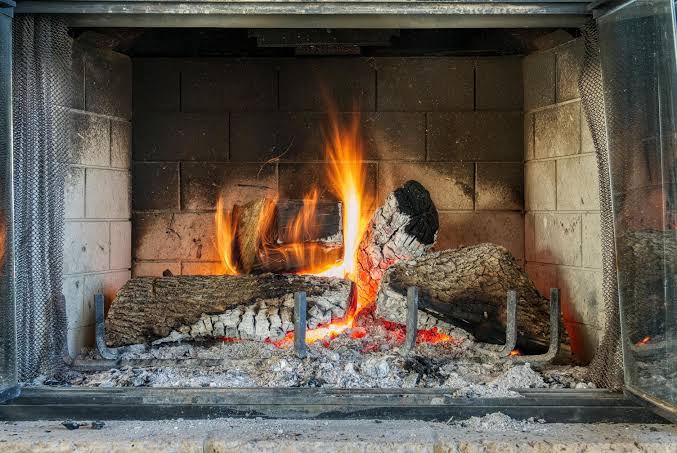
Fireplace Cleaning & Inspection
Firebox, damper and flue cleaning with a full fireplace inspection — wood-burning, gas insert or pellet.
Schedule a Service
We typically respond within one business hour during the heating season.
Starting at $175
Transparent starting prices. Final quotes depend on system condition, access and location.
Get your quoteEverything in our fireplace cleaning & inspection.
- ✓Firebox cleaning — ash, soot and debris removed with HEPA vacuums
- ✓Damper cleaning, freeing and operation check
- ✓Smoke shelf and smoke chamber brushed out
- ✓Full flue sweep from the firebox up through the chimney
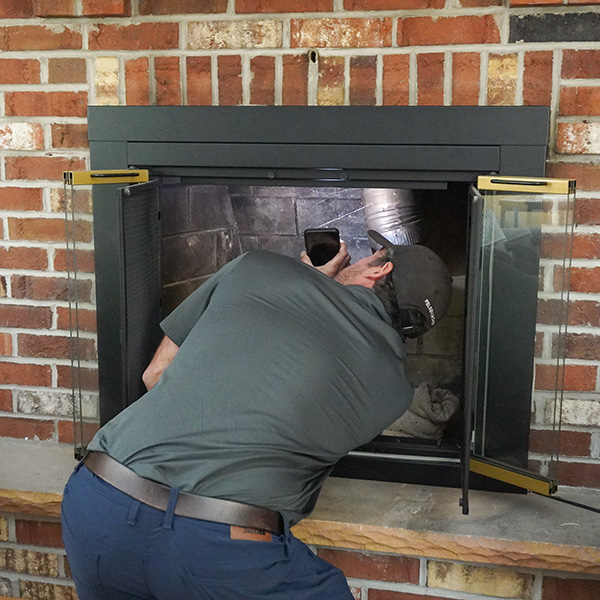
- ✓Fireplace inspection of grate, refractory panels, glass doors and surround
- ✓Gas insert service: log placement, burner, pilot and venting check
- ✓Photo report with plain-English recommendations
Safety & efficiency
Most fireplace fires start in a firebox and flue that nobody has looked inside in years. A fireplace cleaning removes the creosote and ash that feed those fires, restores draft so smoke goes up instead of into your living room, and gives you a documented inspection of the parts you can't see.
Watch for these
- →Smoke rolls into the room when you light a fire
- →The damper sticks, rattles or won't seal shut
- →A campfire or sour smell hangs in the room in humid weather
- →More than an inch of ash built up in the firebox
- →Sooty glass on an insert or gas fireplace
- →You've never had the fireplace cleaned since moving in
Fireplace cleaning, fireplace sweep, chimney sweep — same visit, different words
Homeowners call us asking for a fireplace cleaning, a fireplace sweep, a fireplace inspection, or a chimney sweep, and almost every one of those calls ends in the same appointment. The fireplace is the part you see: the firebox, the grate, the damper, the glass doors, the mantel and surround. The chimney is the part above it that carries smoke out of the house. They are one system, and cleaning one without the other leaves the job half done. When our crew arrives for a fireplace cleaning, we clean and inspect the entire path — firebox, damper, smoke shelf, smoke chamber, flue and cap — because that is the only way to know your fireplace is safe to light.
If you booked a chimney sweep instead, you get the same crew, the same equipment and the same checklist. The vocabulary changes depending on who you learned it from; the work does not.
What a fireplace cleaning actually covers
We start by laying drop cloths across the hearth and floor, then seal the opening so soot stays inside the fireplace instead of drifting into your room. The firebox comes first: ash pit emptied, floor and walls brushed down, refractory panels checked for cracks or crumbling mortar joints. Damaged panels are one of the most common problems we find and one of the easiest to miss, because a cracked panel looks fine under a layer of soot.
Next is the damper. Dampers rust, warp and jam, and a damper that will not close properly quietly pulls heated air out of your house all winter. We clean it, free it, and confirm it opens and seals the way it should. Above the damper sits the smoke shelf and smoke chamber — a soot trap that most homeowners never see and that holds a surprising amount of flammable buildup. Both get brushed and vacuumed out.
Then we sweep the flue itself, from the firebox up, removing creosote and any nesting material or debris that has collected since the last cleaning. Everything comes out through HEPA vacuums, so there is no soot cloud in your living room. We finish with a visual fireplace inspection: glass doors and gaskets, blower or fan if you have one, hearth extension, and the exterior chimney crown and cap where they are visible from the ground or the roof.
Fireplace inspection: what we document and why
A fireplace inspection is not a formality. It is the report you use to decide whether to burn this season, whether a repair can wait, and what a home buyer or insurer needs to see. Every visit includes a Level 1 visual inspection of the readily accessible parts of the fireplace and chimney, and we photograph what we find so you are not taking our word for it. If your situation calls for more — a house sale, a recent chimney fire, a fuel change, or a system we cannot see well enough from the accessible areas — we move to a Level 2 chimney inspection with a camera scan of the flue.
The issues we flag most often on fireplace inspections are cracked refractory panels, a damper that no longer seals, gaps in the firebox mortar, glazed creosote in the flue, a missing or damaged chimney cap, and a liner that has deteriorated past the point of safe venting. Each gets a photo, a plain-English explanation and a priority level — fix now, fix this year, or keep an eye on it. There are no scare tactics and no pressure to buy a repair on the spot.
Gas inserts, wood-burning fireplaces and pellet appliances
Gas fireplaces and gas inserts need service too, and they are the ones homeowners skip most often because there is no visible ash. Gas units accumulate dust and carbon on the burner, logs and pilot assembly, the glass fogs over with a white film, and the venting can become partially obstructed. We clean the burner and pilot, reset the logs to the manufacturer's layout — misplaced logs are a leading cause of sooting on gas units — clean the glass and gasket, and verify the vent path is clear.
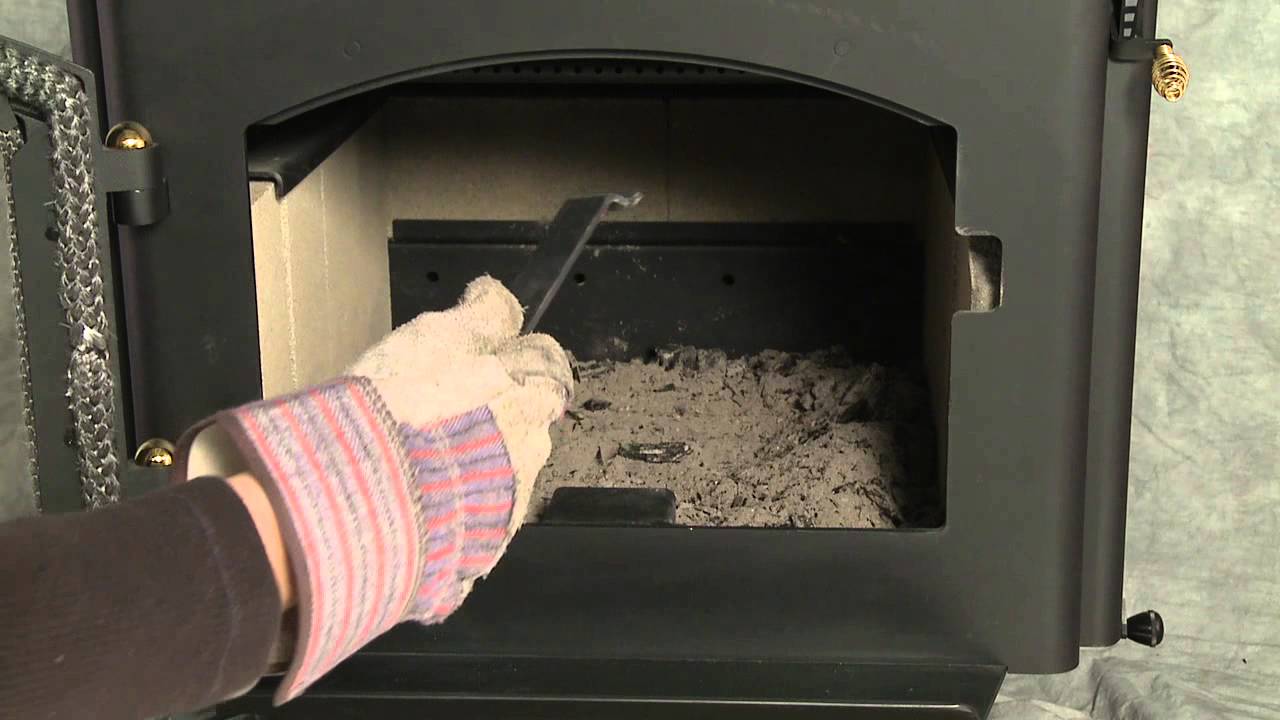
Wood-burning fireplaces are the classic case: annual cleaning, because a single season of burning, especially with unseasoned wood, deposits enough creosote to sustain a flue fire. Pellet appliances and inserts get their own treatment, covered in more detail on our stove cleaning and maintenance page. If your fireplace vents through a liner that is aging or was never sized right for the appliance, we will tell you, and liner installation is work we do ourselves.
When to book, and where we work
Late summer through early fall is the best time for a fireplace cleaning. Booking before October means you pick the appointment window instead of waiting out the heating-season rush, and any repair we find has time to get done before the first cold night. If you have already lit fires this season and something feels off — smoke pushing back, a smell you cannot place, a damper that fights you — call sooner rather than later.
The Flue Fighters run fully insured crews from two locations. In Maine we cover Bangor, Brewer, Orono, Old Town, Ellsworth, Hampden and the surrounding communities. In Pennsylvania we cover Sewickley, Coraopolis, Moon Township, Robinson, Crafton and the greater Pittsburgh area. Same training, same equipment, same photo-documented report in both states — see our Maine and Pennsylvania service pages for full coverage areas.
A clear, honest visit.
Use the form or call your nearest location to start.
We confirm the right service window for your location.
Drop cloths down, equipment in, work done cleanly.
You get notes, photos and honest next-step recommendations.
Related services
All services →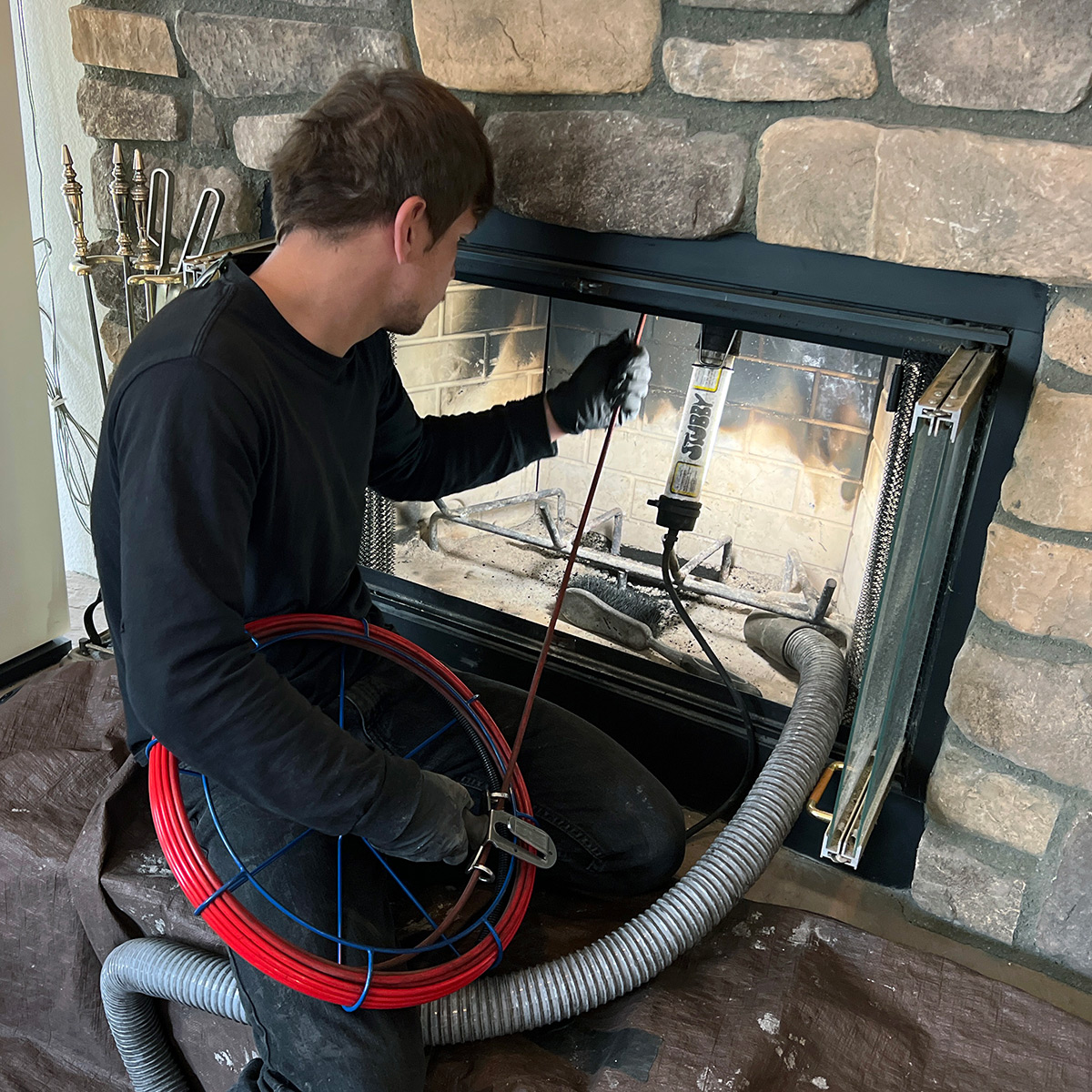
Maine & Pennsylvania.
Same trained crews, same standards, two locations.
Get your chimney, vent or stove
ready for the season.
Two locations. One trusted crew. Call your nearest team or request service and we'll handle the rest.
Request Service
We typically respond within one business hour during the heating season.